Mic Setups by Format
1. Podcasting Setup (Solo or Co-Hosted)
Recommended Gear:
Why It Works:
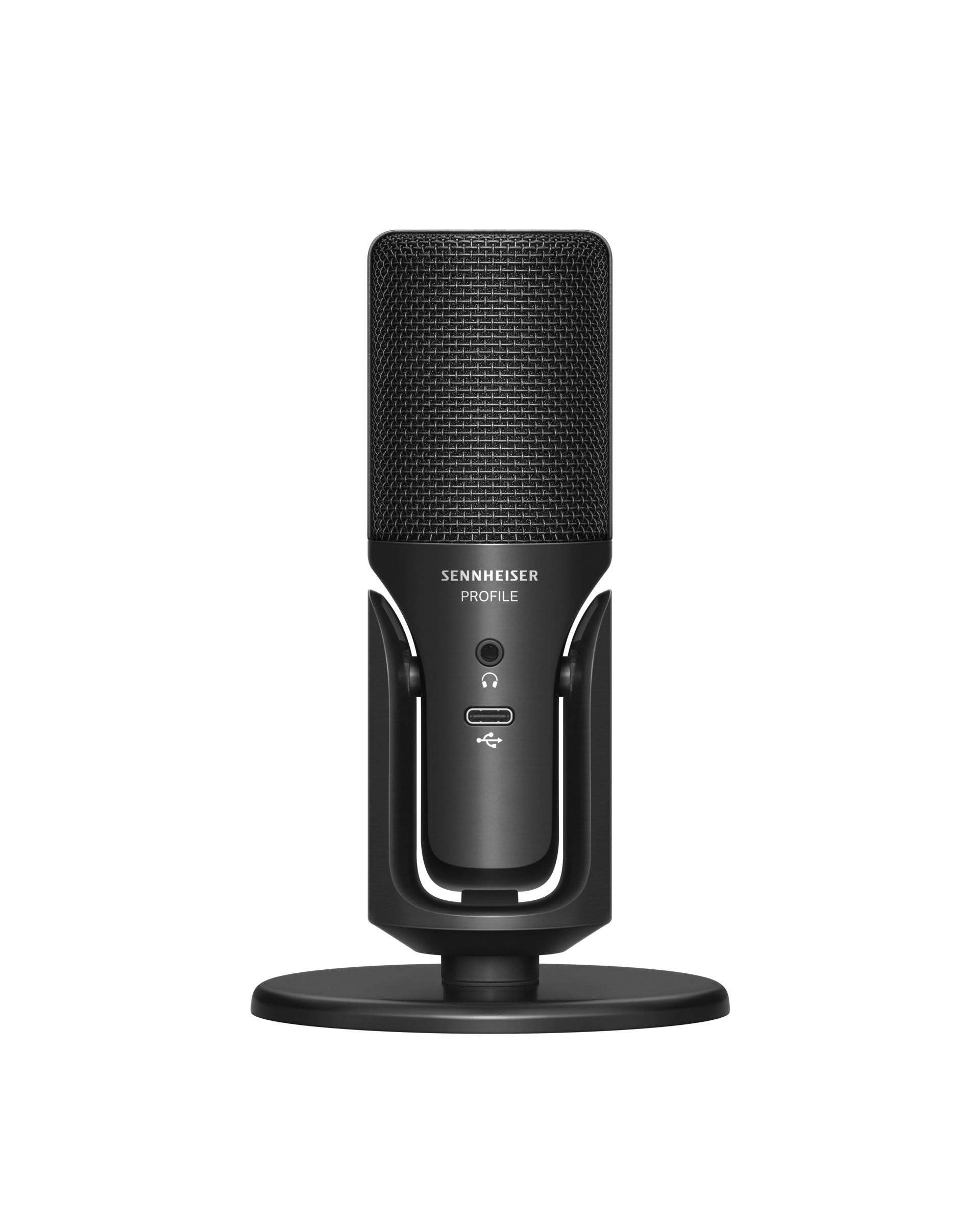
- USB mic offers plug-and-play simplicity with real-time monitoring
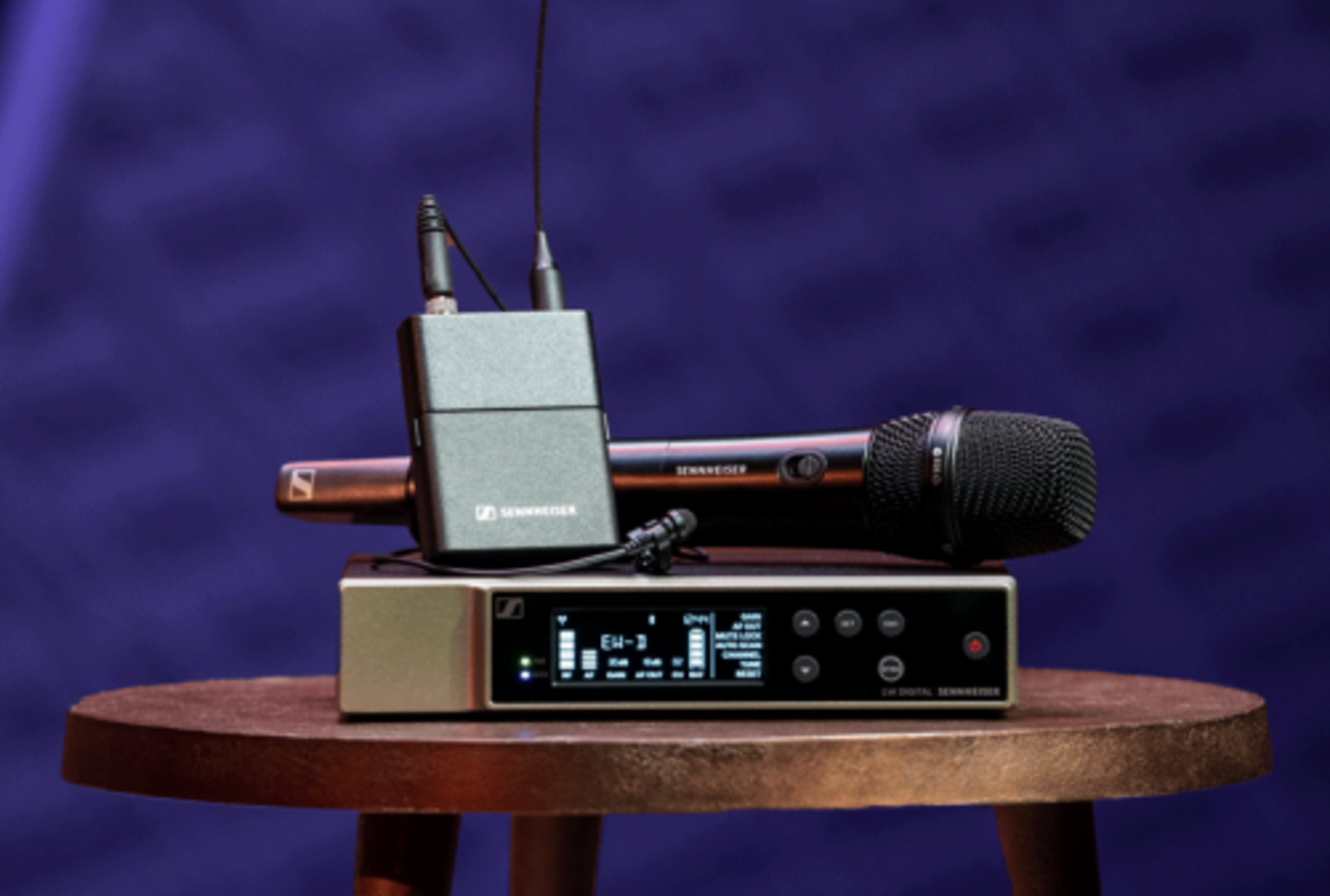
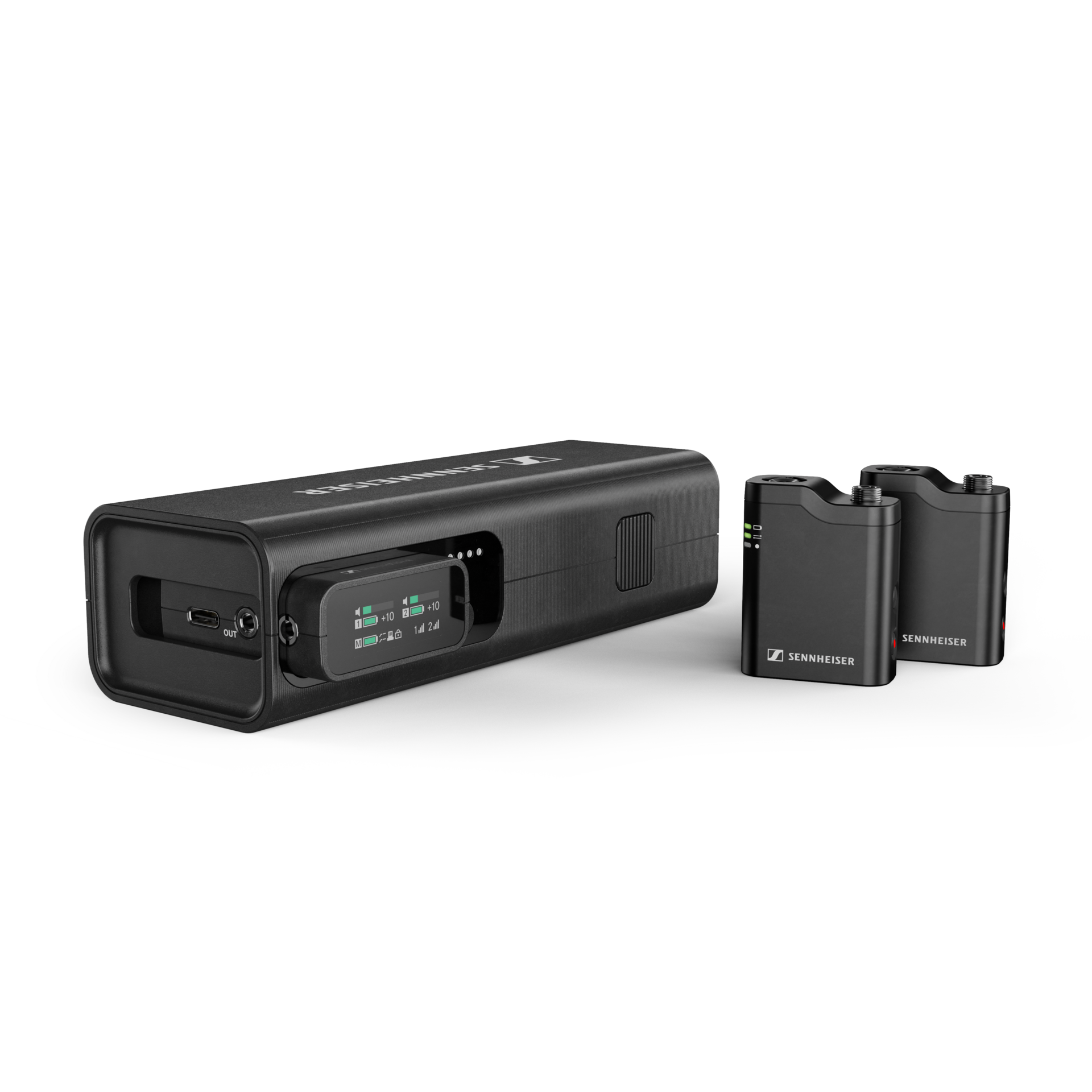
- Dual-channel wireless lets you record two voices with independent gain control
- 32-bit float recording and safety channel mode protect against clipping
Compatible with laptops, desktops, and mobile devices
Ideal For:
- Remote podcasting
- YouTube talk shows
- Creator interviews
Workflow Tip: Use the Profile Wireless charging bar as a handheld mic for dynamic segments or guest intros.
2. Interview Setup (In-Studio or On Location)
Recommended Gear:
Why It Works:
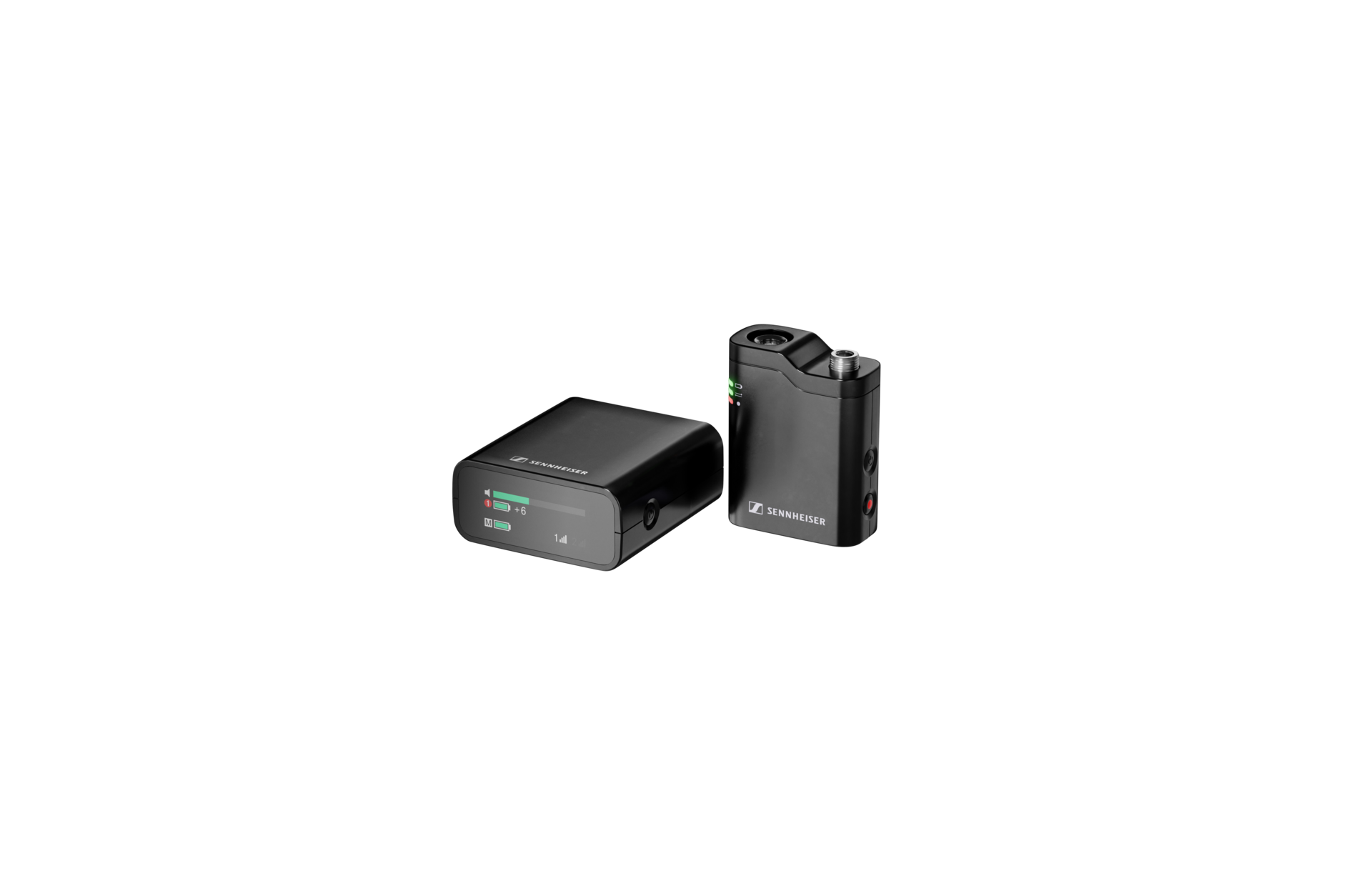
- Wireless clip-on microphone transmitters allow freedom of movement and clean voice capture
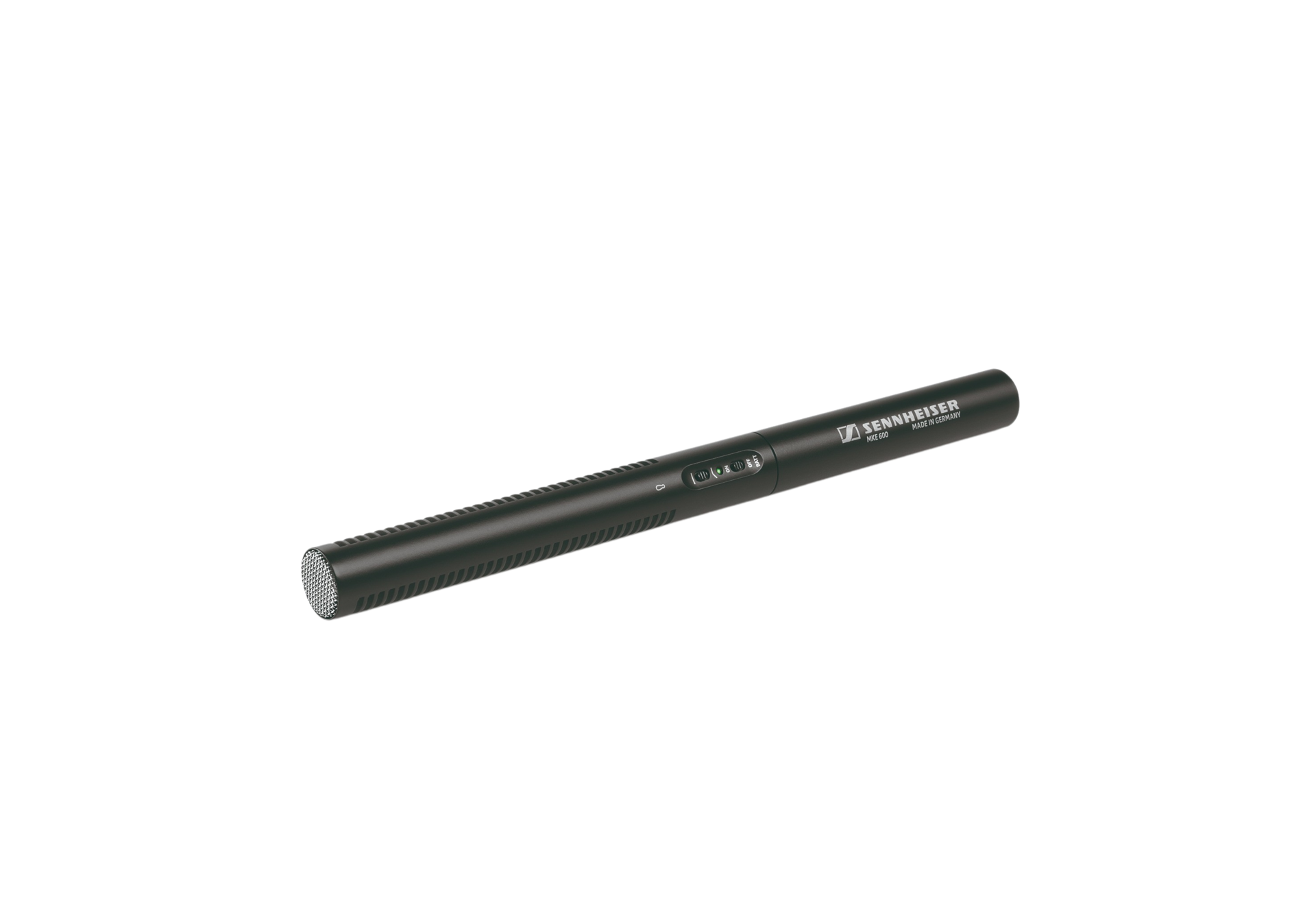
- Shotgun mics isolate the speaker’s voice in noisy environments
- Backup recording ensures you never lose a take
- Compatible with DSLR rigs, smartphones, and audio recorders
Ideal For:
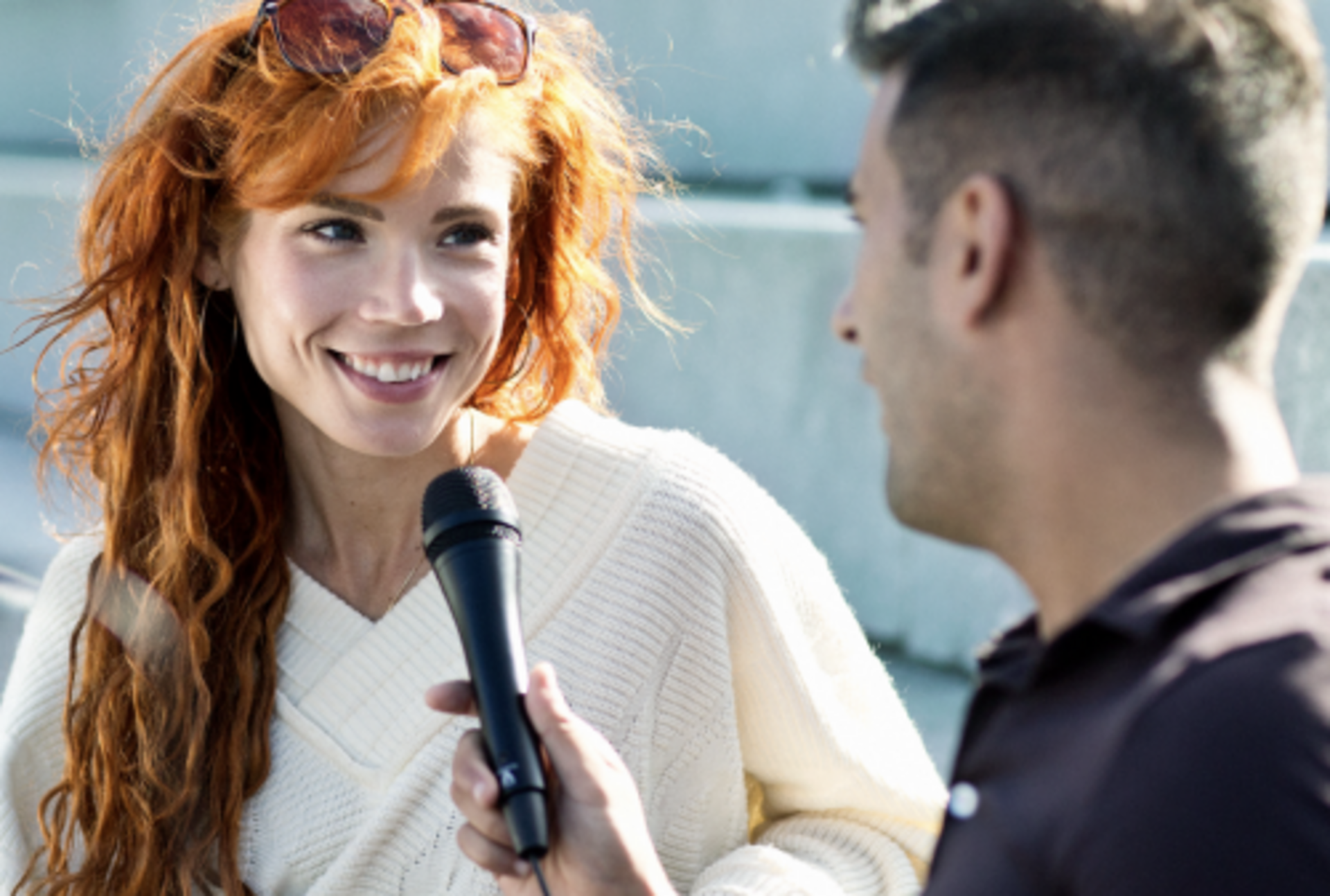
- Journalistic interviews
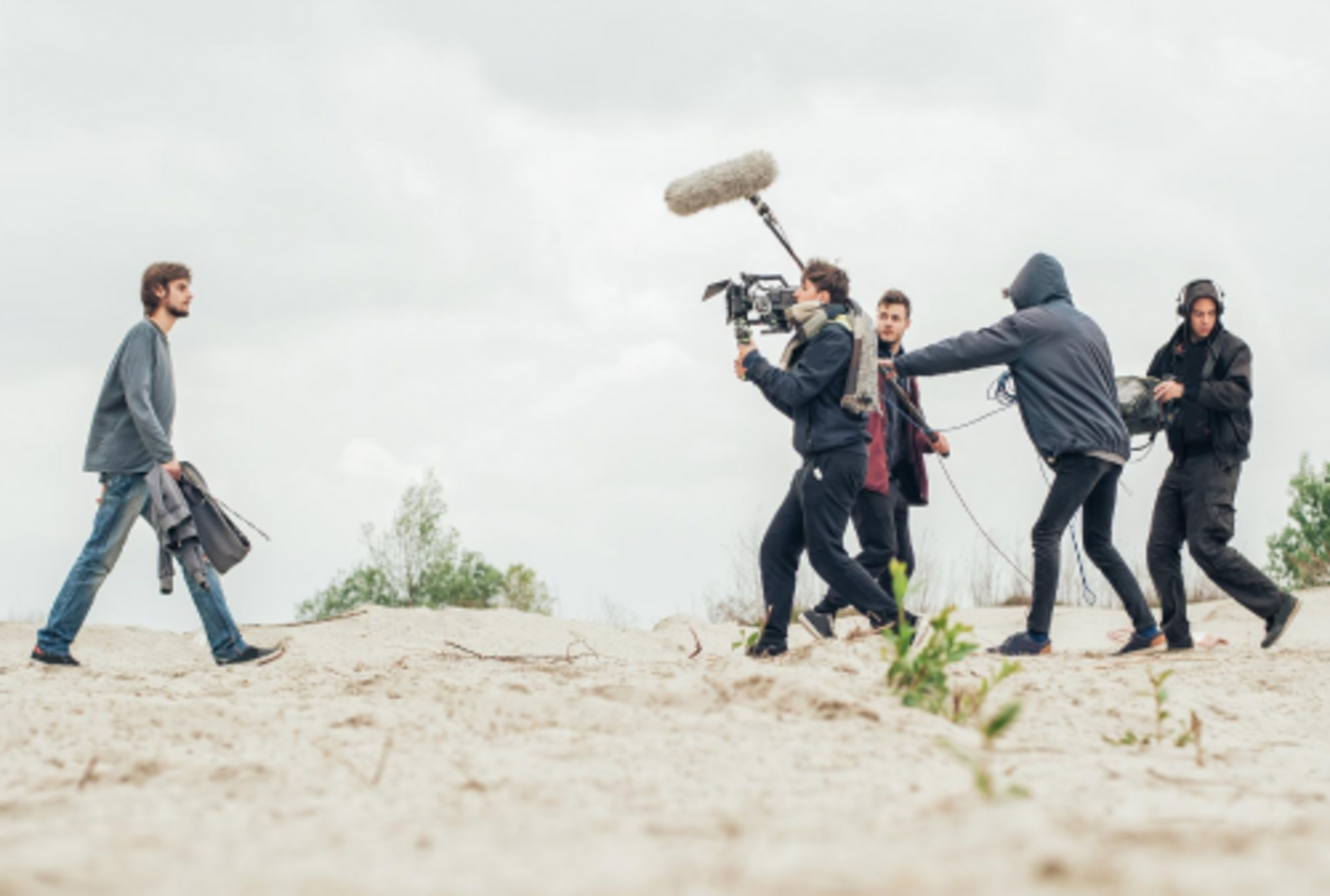
- Documentary-style shoots
- Event coverage
Use Case: A creator interviews a guest at a busy café using the Profile Wireless Set. The lav mics capture both voices clearly, while safety channel mode prevents distortion from ambient noise.
3. Vlogging Setup (Mobile or DSLR)
Recommended Gear:
Why It Works:
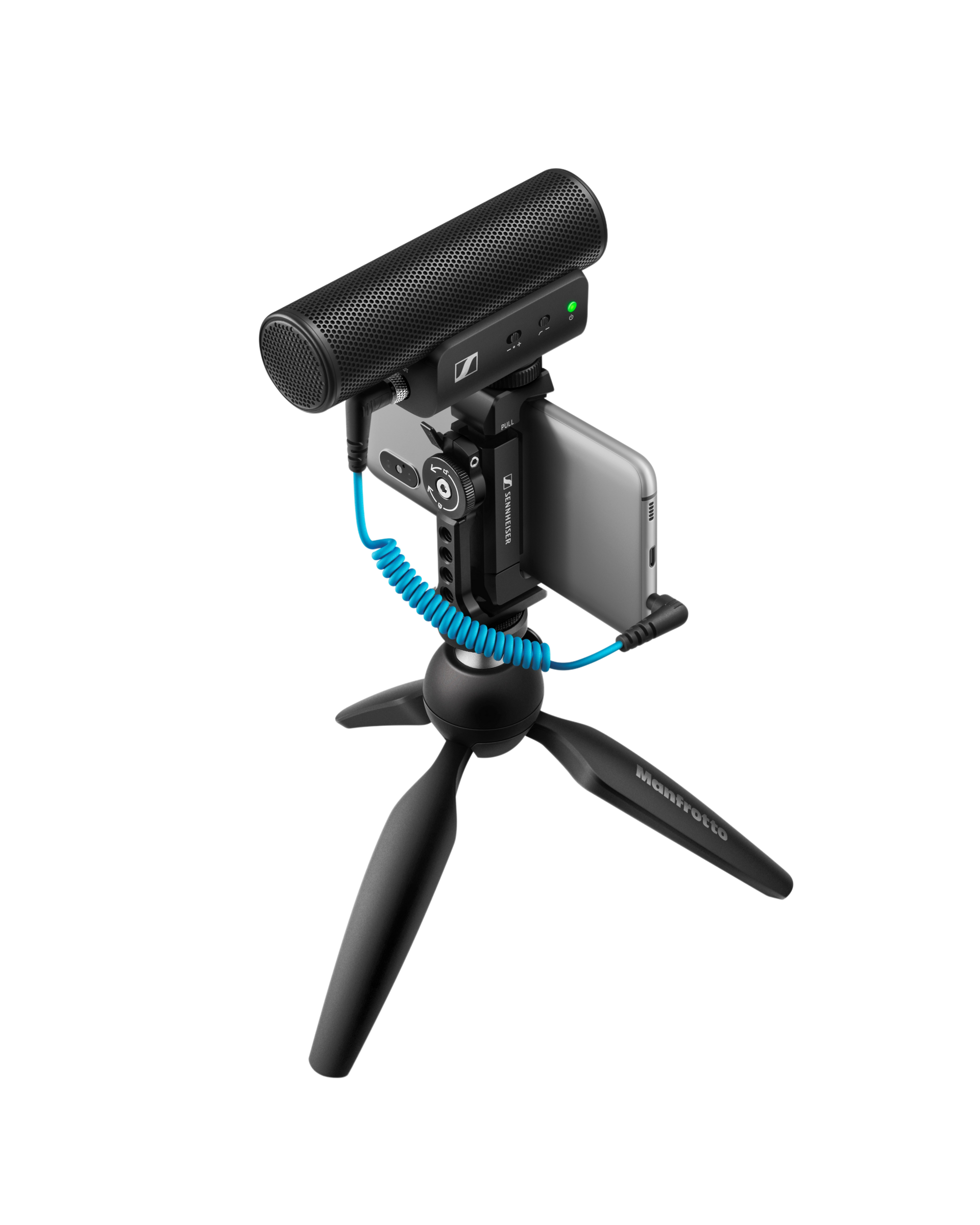
- Directional audio keeps your voice in focus
- Built-in wind protection and shock mount reduce handling noise
- Compatible with smartphones and mirrorless cameras
- Lightweight and travel-friendly
Ideal For:
- Travel vlogs
- Behind-the-scenes content
- Creator updates
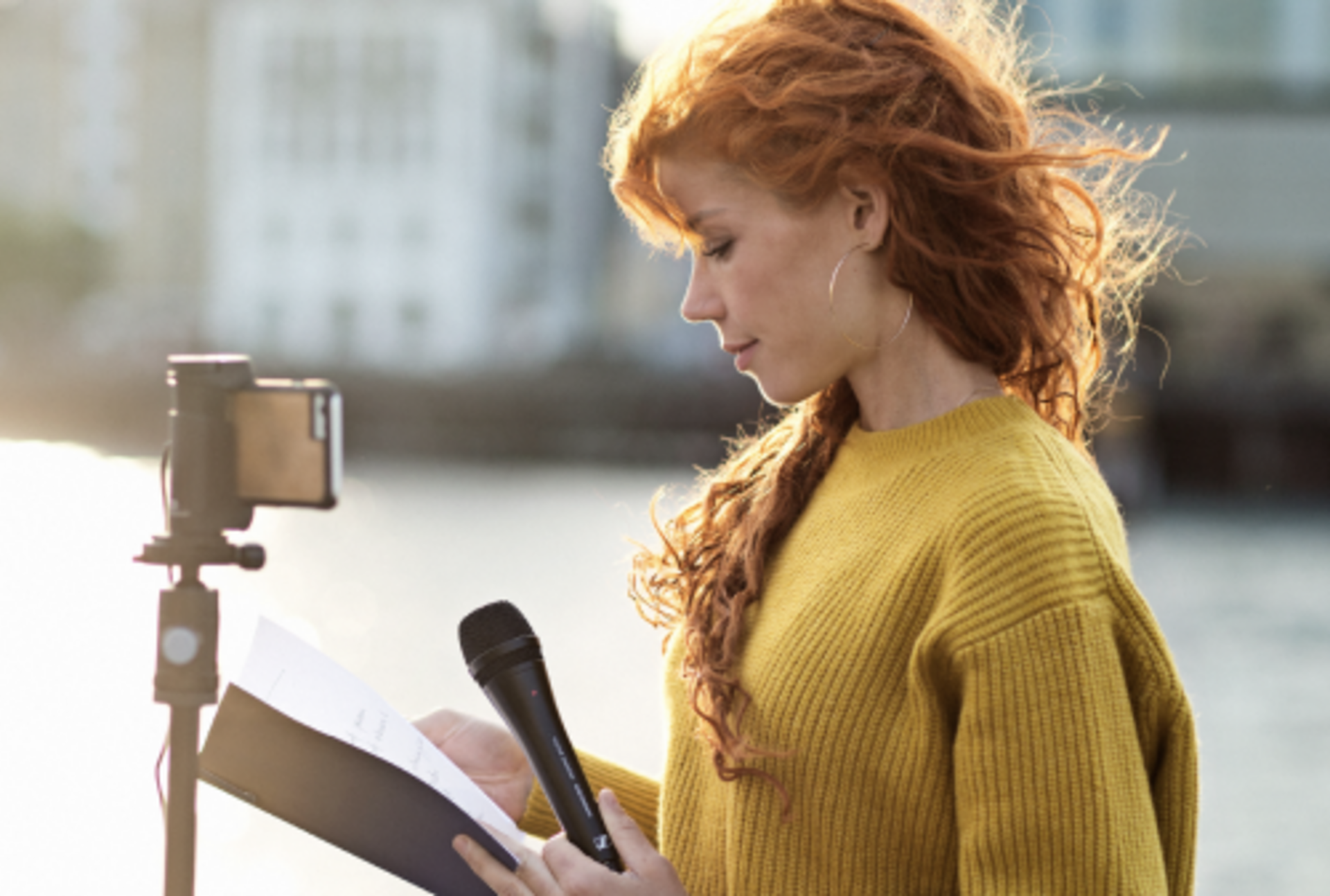
Workflow Tip: Mount the MKE 400 on your DSLR for static shots, and switch to Profile Wireless for mobile segments.
Use Case Scenario: Multi-Format Creator Workflow
A creator hosts a weekly podcast, films interviews, and vlogs travel experiences. They use the Profile USB Mic for solo podcast episodes, the Profile Wireless 2-Channel Set for co-hosted interviews, and the MKE 400 for outdoor vlogging. Each mic fits seamlessly into their workflow, delivering consistent, professional audio across formats.