We all judge professional studio headphones by the obvious things first.
- How do they sound?
- Are they open-back or closed-back?
- Do they isolate well?
- Are they comfortable enough to wear for a full session?
Those are all important questions, especially when you’re choosing serious monitoring tools for recording, tracking, mixing, editing, or mobile production. But Sennheiser’s HD 480 PRO closed-back studio headphones have several additional features that we think deserve a closer look.
Some of them are easy to overlook. Others are built so naturally into the design that you’ll never even think about them. You’ll just know your session is going great. Together, however, these details reveal what makes the HD 480 PROs such a powerful monitoring system on-the-go.
If you want to dive deeper into the 480’s specs and performance, check out this article, where we explore those topics in detail. For now, let's transition from the obvious to those subtler design elements that truly help the HD 480 PROs shine.
The Vibration Attenuation System Is More Than a Buzzword
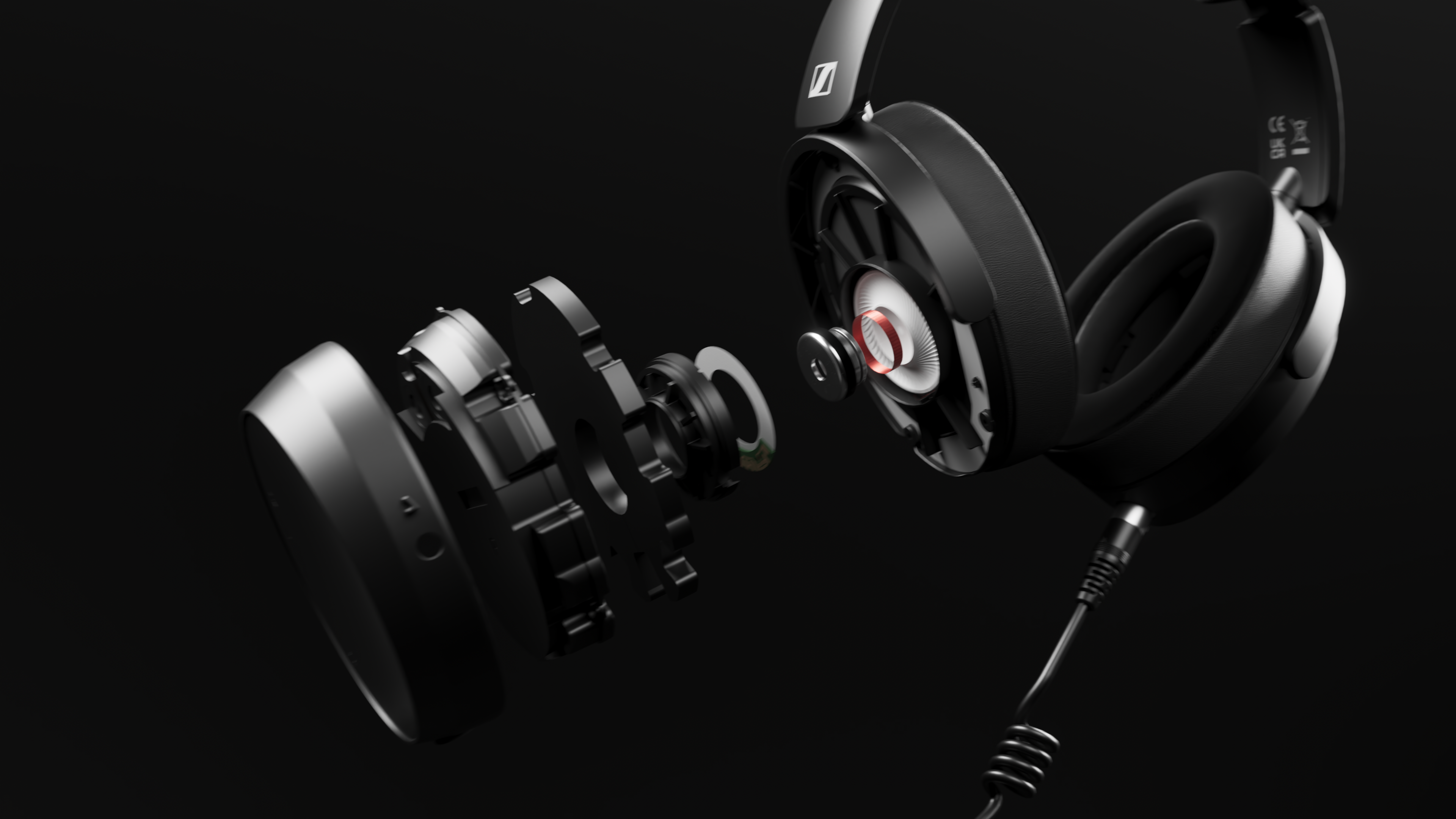
One of the most important things to know about the HD 480 PROs is their Vibration Attenuation System. This isn’t just a single part or foam wrapped around the driver. It’s a broader mechanical and acoustic approach to controlling unwanted energy inside the system.
That matters because — surprise! — headphones are physical objects. The drivers move. The earcups respond. Sound reflects inside the enclosure. The pads create a seal against your head. Small changes in any of those areas affect what you hear.
Closed-back headphones have to manage all of this carefully. Yes, their sealed design gives you isolation, but the enclosed acoustic space around the driver and your ear, if not well controlled, can result in reflections, resonance, and unwanted vibrations, all of which can get in the way of accurate monitoring.
The Vibration Attenuation System reduces that unwanted energy without damaging the desired signal.
It includes controlling driver motion, reducing ringing and overshoot, managing reflections, damping resonance, and keeping a steady relationship between the pads and your ears.
The result isn’t meant to sound enhanced—it’s meant to sound true.
That’s especially important in professional monitoring. You DO NOT want headphones that make a mix feel more exciting than it really is. You DO want headphones that let you hear what is actually happening. That way, your decisions carry over when the track leaves your session.
Low End Tuned for Accuracy
Low-end accuracy is one of the hardest things to get right in any monitoring system—especially in a closed-back headphone design. The goal isn’t exaggerated bass. It’s controlled clarity.
Too much bass can trick you into pulling low-end out of a mix that needs it. Too little bass makes you add weight that ends up muddy or excessive. Poor low-frequency control can hide what happens between kick, bass, synths, toms, and guitars.
This is where the HD 480 PROs’ closed-back design and Vibration Attenuation System work together. They give you that information without turning the low end into a flattering (or not-so-flattering) effect. That makes them especially useful in less-than-perfect environments like untreated rooms, mobile setups, and shared creative spaces.
Right and Left Cable Jacks Matter More Than You Think
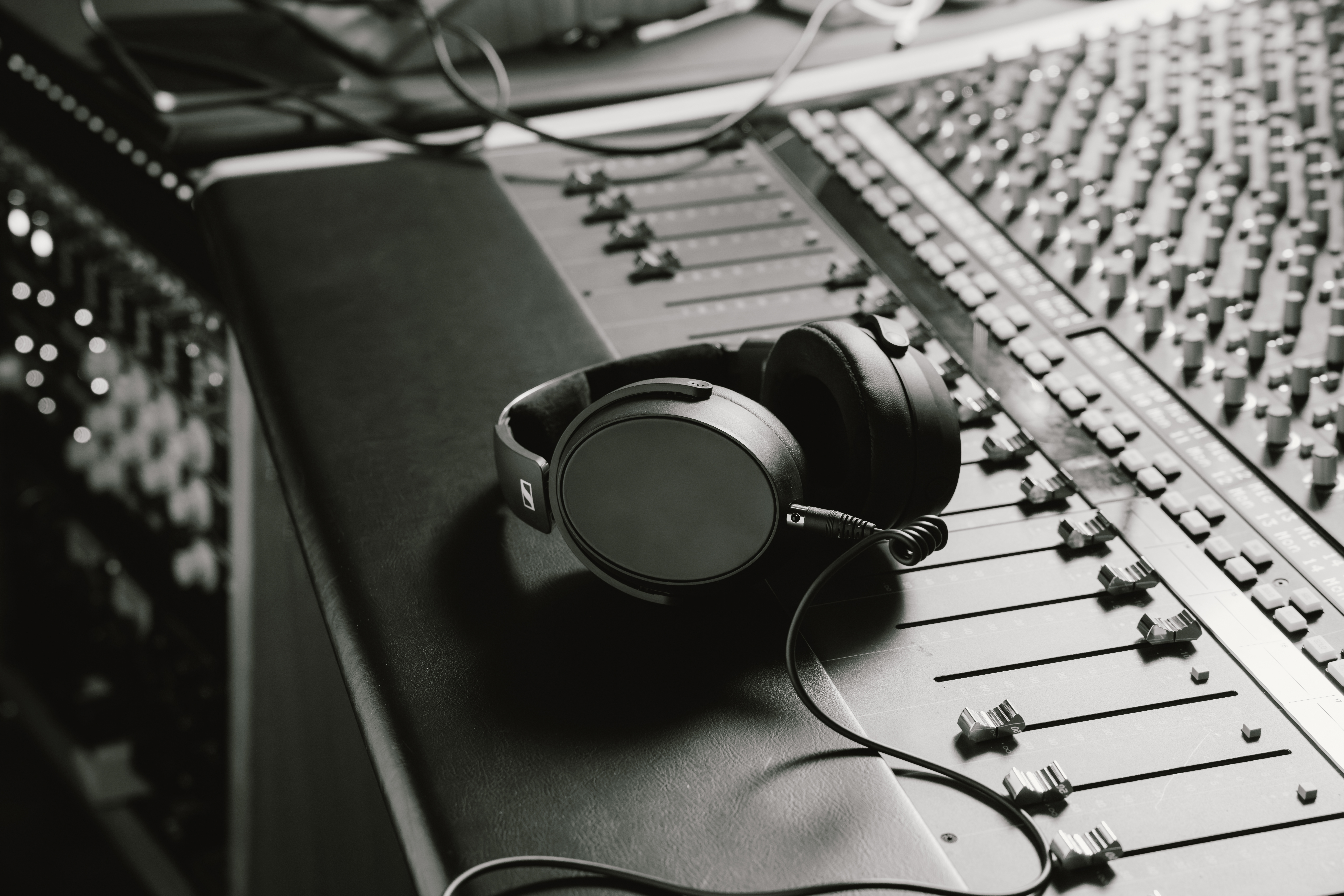
The HD 480 PROs include right and left ear jacks with a detachable cable.
We get that that may sound like a small convenience. But in a real session, it’s much more than that.
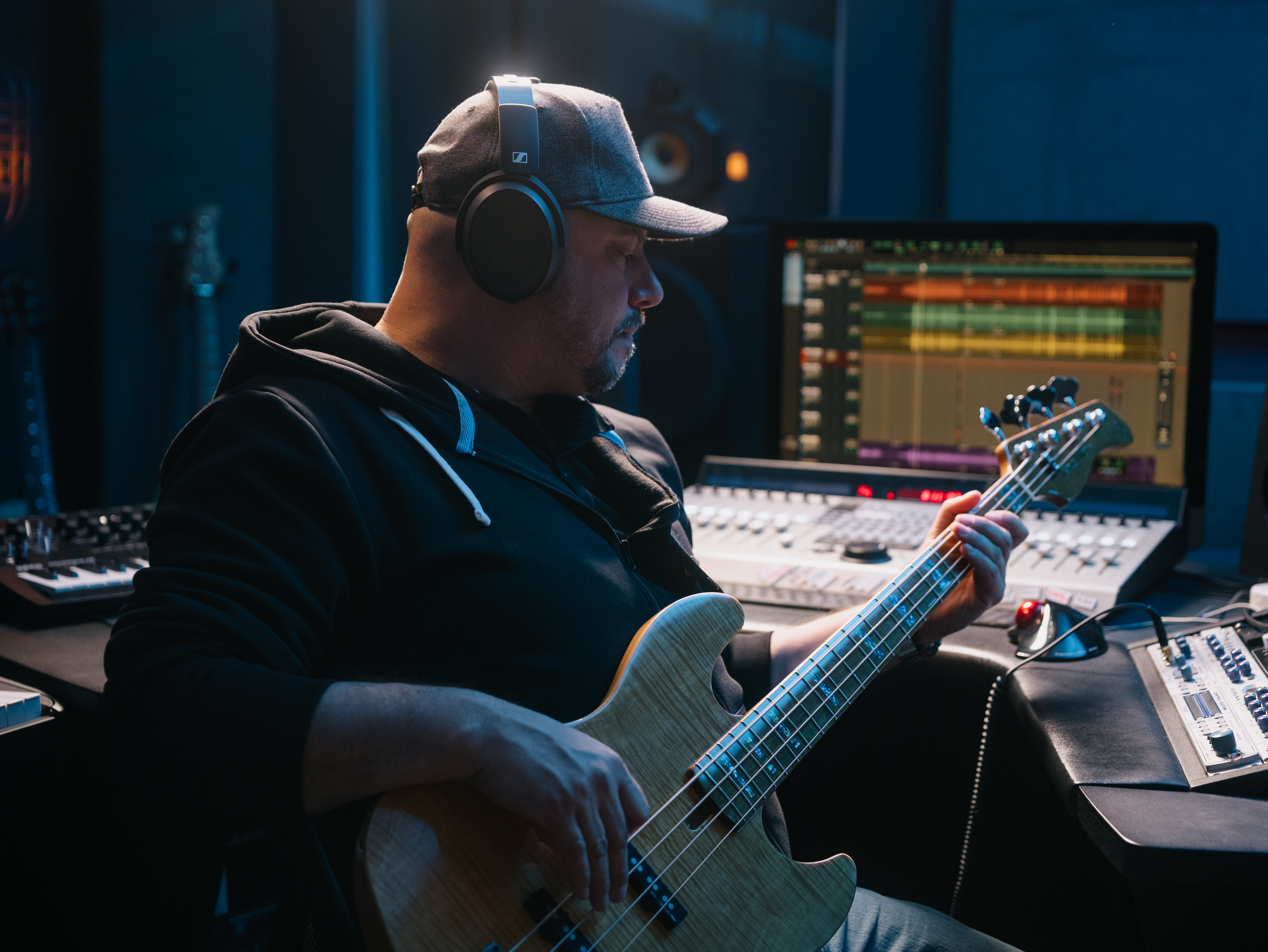
Cable routing is only annoying when it gets in the way. Whether seated at a desk, tracking near an interface, playing guitar, reaching around a mic stand, or recording yourself, the side the cable is on matters…a lot.
Imagine tracking guitar alone.
Your interface may be on your right. Your guitar cable may already be running across your lap or toward a pedalboard. A headphone cable coming from the wrong side can drag across the instrument, tug against your shoulder, or get caught near your picking hand.
Switching the headphone cable to the other side gives you a cleaner setup and it also can avoid the dreaded rumble you hear as your cable drags across a surface.
That likewise helps in vocal booths, podcast rooms, editing desks, and compact production spaces where every cable has to work around the person, the gear, and the room.
This feature doesn't change the sound. It changes the experience.
Unmistakable L/R Markings Are Built into the Listening Experience
Stereo orientation seems basic until you put headphones on quickly in the middle of a session.
The HD 480 PROs feature clear left-right identification, with L/R markings in the actual fabric of the earcups. So, it’s easy to orient the headphones before listening.
These markings also make the headphones easier to use in fast-moving environments. When repeatedly taking them on and off, handing them to artists, switching takes, or moving between spaces, clear orientation saves time.
This matters because stereo image matters, plain and simple.
While your first instinct may be to think that this is a very small detail, if you're honest with yourself, you know you’ve spent plenty of time flipping headphones back and forth trying to figure out how to put them on your head.
Braille-Guided L/R Earcups for Impaired Vision
Not every room is bright. Not every session is relaxed. Not every user interacts with gear the same way. But professional tools should be easy to operate for everyone and under real conditions.
The HD 480 PROs’ Braille-guided left and right earcups are an example of the thought we put into professional design.
The idea is to give you another tactile way to identify orientation without relying only on sight. That's vital for visually impaired users, but it also helps in dim studios, dark stages, low-light control rooms, mobile rigs, and any low-lit situation.
The Braille-guided L/R feature isn’t the kind of feature that dominates a product page, but it speaks to a larger design philosophy. These headphones are made to work for more people, in more situations, with less friction.
The Ear Pads Built with Eyeglasses in Mind
Anyone who wears glasses knows that headphones can create problems quickly.
Headphone earpads in general, mostly press the frames into the side of your head. That pressure becomes distracting and even painful during long sessions.
The HD 480 PRO addresses this issue with a proprietary earpad design that uses integrated pressure-relief grooves and other smart design elements to reduce discomfort around the temples—a simple idea with a surprisingly big impact on long-session comfort.
By accounting for eyeglasses in the pad design, the HD 480 PROs maintain user focus. And that focus matters during long sessions. It matters during editing. It matters when you’re moving between takes. It lets you focus on performance, not pressure points.
The Fit System Supports Long Sessions
The HD 480 PROs’ comfort story isn’t only about soft materials. It is also about fit.
Our precision-fit approach ensures the 480s conform comfortably to different head shapes, reducing pressure and maintaining isolation. That matters because closed-back headphones need enough contact to isolate. But too much pressure is fatiguing, too little breaks the seal.
The best result is balance: secure enough for reliable acoustic performance, comfortable enough to disappear during the session.
That’s crucial for long sessions. Mixing, editing audio for video, tuning vocals, and tracking instruments can all take hours. Small comfort problems become big workflow problems.
A hot spot on the headband, pressure around the ears, or a shifting seal can pull you out of the work. The HD 480 PROs reduce every one of those distractions.
Washable, Replaceable Pads Help the Headphones Last
Read everything above, and it’s clear that ear pads do a lot of work. They affect comfort. They affect isolation. They affect the acoustic seal.
They also absorb sweat, oils, and daily wear from repeated human use.
You need to clean your headphones!
That makes the HD 480 PRO’s washable, replaceable pads a big deal. Believe it or not, however, hygiene is only part of the equation here.
Headphones are used for long sessions, shared, packed for travel, and worn in rooms that aren't always clean or climate-controlled. Over time, pads wear down.
When pads lose shape or condition, fit changes. If fit changes, so does sound and isolation. Being able to machine-wash and replace pads keeps their performance consistent.
Small Details Add Up
The HD 480 PROs meet obvious requirements: closed-back isolation, accurate sound, low-end control, comfort, and durability. But the most important features aren’t always the loudest.
Sometimes it’s about the practical details that make everything around them seem easier and more enjoyable. That’s why we included things that support real working sessions.
Each of those features solves a specific problem:
- Cable routing becomes easier.
- Stereo orientation becomes clearer.
- Accessibility improves.
- Glasses fit more comfortably.
- Pads can be maintained.
- The seal stays more consistent.
- Low-end decisions become more trustworthy.
- Vibration and internal reflections are better controlled.
Together, they support what professional headphones are ultimately supposed to do: help you make better decisions with fewer distractions.
The closed-back HD 480 PROs aren’t just about blocking what’s outside and delivering clear audio inside. They are about creating a controlled listening environment wherever work is done. The HD 480 PROs are the set built for when the room, the session, or the workflow demands more control.