Audio monitoring is more than just listening to your work. It shapes the decisions you make while creating your sound. The way headphones present space, detail, and balance influences how you place instruments, control dynamics and judge depth in a mix.
Different production environments place different demands on that listening experience. A controlled mix room invites spatial precision. A shared or untreated space demands focus and isolation.
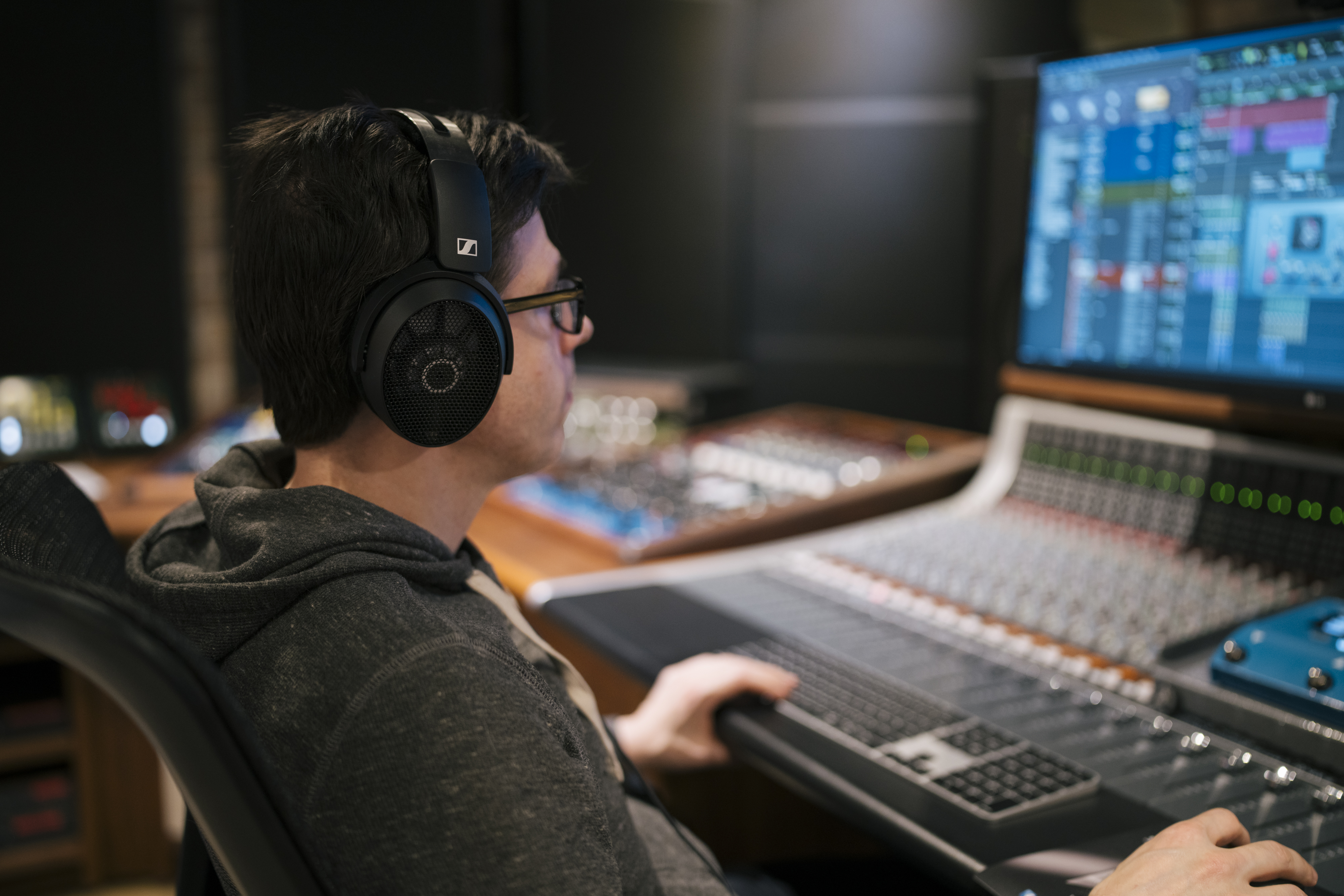
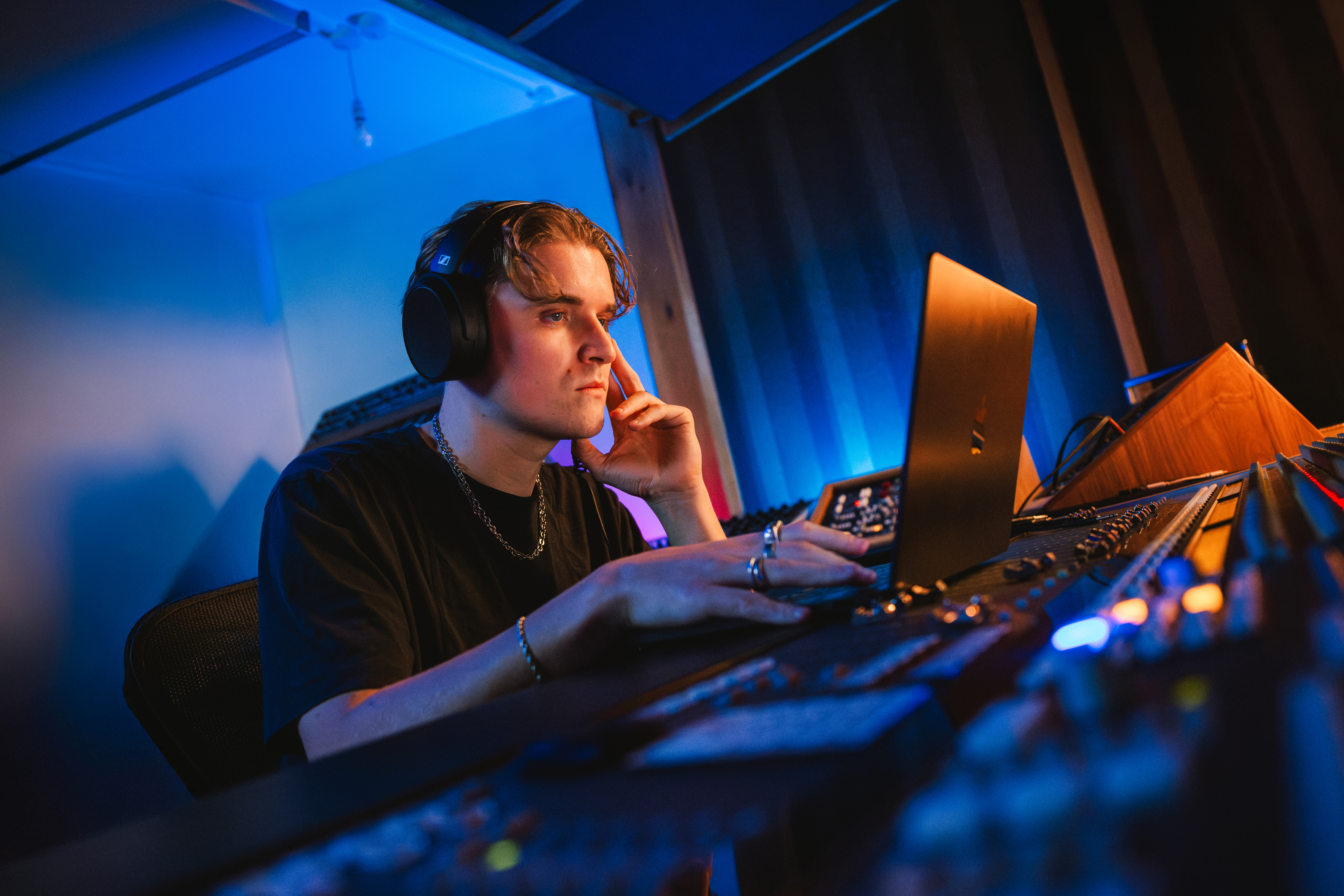
Sennheiser’s reference lineup addresses these needs with two tools: the open-back HD 490 PRO and the new HD 480 PRO studio headphones.
Both are built for reliable, professional monitoring. The difference lies in how each supports your workflow and how each presents sound. Let’s take a deeper look at both to help you find which model fits you and the work you do.
The Sennheiser HD 490 PRO: Beautiful, Open Mixing Perspective
HD 490 PROs are for creators and audio professionals who make critical decisions in treated, or at least calm environments, free from outside noise.
Their open-back construction creates a wide and natural sound. This feels closer to listening through studio monitors. Instruments have distinct positions in the stereo field, making it easy to evaluate width and depth. Reverb tails are clear, and ambience feels dimensional.
During mixing sessions, subtle panning adjustments become easier to judge. Complex arrangements feel more organized and separated. Long listening sessions are comfortable thanks to the open sound.
HD 490 PROs fit naturally into workflows that prioritize:
- Controlled environments where isolation is not a primary concern
- Mixing and mastering where spatial accuracy guides decisions
- Evaluating stereo imaging, ambience and depth placement
- Extended studio sessions that require consistent comfort
The Sennheiser HD 480 PRO: Accurate Sound with Added Control
Sennheiser’s new HD 480 PRO closed-back headphones are for when you need monitoring stability across varied environments.
Their sealed construction reduces environmental interference and prevents playback from escaping into the room around live microphones. The 480s also support workflows when you're working in shared spaces or in environments with noticeable background noise.
With their isolation, the experience is focused and controlled. External noise is blocked, helping you hear fine details in performances and edits. Subtle adjustments feel more immediate.
However, unlike many closed-back designs that alter tonal balance, these headphones keep a neutral, reliable sound for professional work. This balance makes them dependable for recording in a live room, for mixing on the move, and for staying focused.
HD 480 PROs are particularly effective for workflows that involve:
- Tracking where microphone bleed must be minimized
- Producing or editing in shared, untreated, or mobile environments
- Tracking sessions that require monitoring without leakage
- On-location setups where environmental noise affects perception
They’re closed-back without compromise.
How They Perform: 490s vs. 480s in the Real World
The distinction between these headphone models becomes most apparent during everyday production tasks.
When mixing dense arrangements, the HD 490 PRO reveals how elements interact across the stereo field. Decisions about width, ambience and depth benefit from the open, speaker-like presentation. Lows seem extended without being hyped. The stereo field seems wider with more space to work. What you hear is the most honest representation of your audio possible.
But the HD 480 PROs keep environmental factors from influencing your decisions if you’re working in untreated or shared spaces. When tracking vocals or instruments, they are your go-tos for maintaining isolation, preventing bleed and preserving your focus.
Essentially, when working long sessions in a controlled environment, and you’re dedicated to spatial balance, the 490s’ open-back monitoring offers the most natural sense of perspective. However when you’re moving between locations or working close to microphones and external noise, the 480s’ closed-back monitoring is the way to go.
A Complementary Monitoring Pair
Open-back and closed-back headphones aren’t competing tools. For many engineers and producers, they serve different but complementary purposes.
It's hard to beat the HD 490 PRO's open-back design when working in a controlled environment. Other than studio monitors, there's no better way to get a true-to-life sound and sonic representation of your audio.
But as we discussed, modern audio production doesn't always afford that opportunity, so serious audio professionals and creators always keep a set of their favorite closed-back designs, like the HD 480 PROs, close at hand as well. Each supporting a different stage of production.
Sennheiser offers a wide range of remarkable sounding headphone monitors, crafted for the audio production market. So if you're ready to ensure that you have the best tools available when you need them, keep a set of 490s and 480s in your toolbox.
Used together, they provide a monitoring setup that adapts to every situation you work in. And because both are so sonically accurate, it's easy to switch between the two with 100% confidence.
Two Reference Tools for Modern Production
Professional monitoring is not defined by a single listening style. It depends on environment, workflow and the type of decisions being made.
The open-back Sennheiser HD 490 PRO and the closed-back HD 480 PRO reflect two approaches to the same objective. They offer professional-level monitoring that enables you to make confident decisions, regardless of where or how you work.
One supports spatial perspective.
The other ensures environmental control.
Choosing between them means choosing the listening experience that best supports your process. To cover all of your audio monitoring needs, Sennheiser recommends both the HD 490 PRO and the HD 480 PRO.