The women are touring as a group. How do they bring all of that storytelling to the stage?
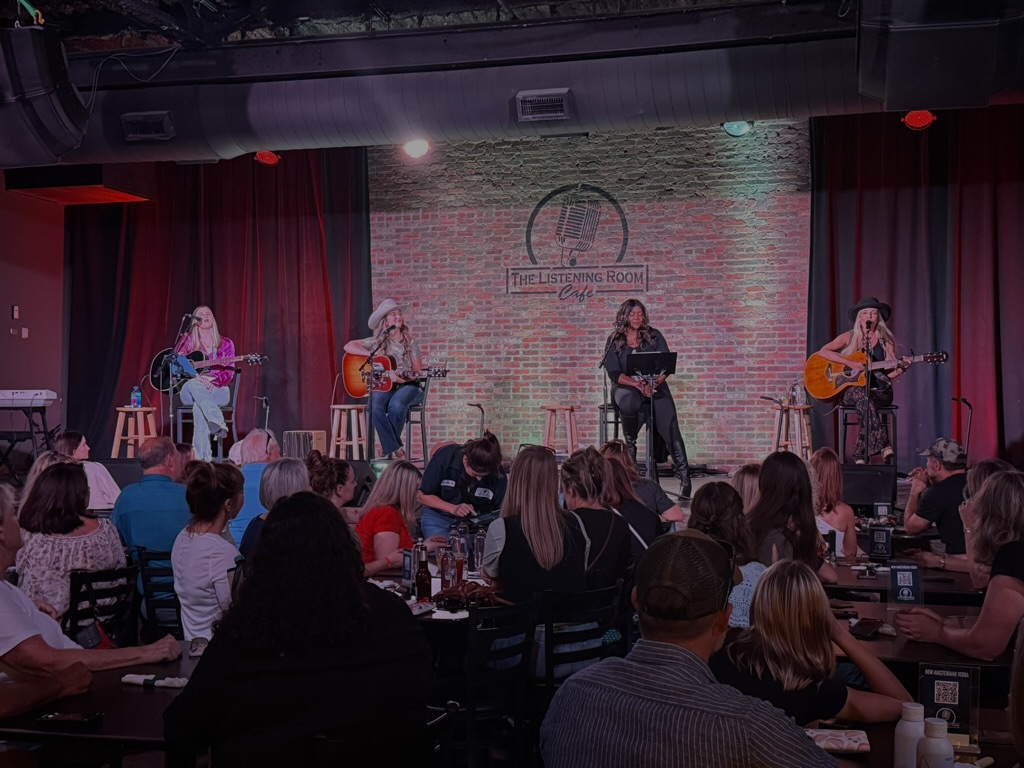
DG: Every independent artist goes through this phase where they start to get their chops by identifying the audience, putting together a show, and singing in these rounds. It's a very common format for independent artists, where you bring your best songs forward and rotate singing them while putting on a show, but you're all there at the same time.
Because we emphasized collaboration, everyone is equal up there. They're singing and harmonizing together. That's what we want to portray. It's women helping women.
How's the reaction from the audience?
DG: We sold out every place! I get so many emails saying that they were the hit of the show. People identified. They're yelling, "Come on, ladies!" from the audience. It was like an uprising. It was just awesome to see that reaction.
How are you using platforms like social and video to gain momentum for the project?
DG: We wanted to keep it a little bit indie. We wanted to see how we could grow this completely organically. And we had an immediate reaction to what the ladies had posted. We get over, you know, 20,000 views a day. Also, the song they co-wrote was on up to 90 different playlists in the first week or two.
We just launched the album that they wrote together. So, I can't even tell you how it's doing. But people are streaming and paying attention.
What has been the biggest challenge with the entire project?
DG: I had to bring the worlds of music and film together. And my God, was it hard! It was much more expensive than I expected it to be. And trying to play the role of the main producer, I had to think about everything.
That's why I really appreciate sponsors like Sennheiser. They came in right at the right time and said, "We'll give you mics. We want you to sound your best, and we want to be there for you."
I'm also really appreciative of our charity sponsors, like Strings of Hope. We have a whole list of sponsors that just stepped aboard, said, "I love this project and this idea, how can I help?"
How did you first get connected with Sennheiser?
DG: Dale Penner, who produced the record, had brought it to their attention that this might be a great opportunity to help these ladies and get behind them. It was nice to get a leg up, because we knew our mics were going to be the best.
Did the women like the e 835s we sent?
DG: They love them, absolutely! All of them were so appreciative of having something consistent and serious sounding. They kept being told, "You all sound better than most who come through the venue." They're very appreciative of that.
What do you hope that audiences take away from this project?
DG: Number one, I hope they have a better understanding of what life is like for independent female singer-songwriters who tour and perform. You're so driven by the need to sing your songs, write your songs, and perform. All you can think about is, "I'm going to do it. I'm going to get through another day, one step at a time." So, I want the audience to know what that's like.
Hopefully, we captured some of that. I hope that it brings that sense of awe that we saw in the audience. And I hope that people find out about these women.


